


Many patients ask when the best time to begin dental implant treatment is. Comfort, recovery, and scheduling often matter more than you expect. For people in Brunswick and the Golden Isles area, the cooler season provides steady routines, mild Georgia winters, and fewer daily pressures. These factors help you manage the early days after implant placement with greater ease and predictability.
A calm window that supports early healing
The first week after dental implant placement sets the stage for how comfortable and manageable your recovery will feel. This period calls for rest, careful hygiene, and a soft-food plan. When your daily schedule slows, you can focus on these steps without constant interruptions from events or travel.
Seasonal timing does not change the biological process of bone bonding to the implant. It does shape how easy it is for you to maintain habits that support early healing.
Controlled indoor comfort supports recovery
Swelling and tenderness are most common in the first 48 to 72 hours after surgery. Brunswick’s mild winter climate allows you to maintain comfortable indoor temperatures without the heat and humidity that can make recovery feel more taxing. In a controlled home environment, you can apply ice packs as directed, rest comfortably, and avoid weather extremes that sometimes complicate post-surgical care.
During this phase, direct application of cold packs to the affected area, proper head elevation, and prescribed anti-inflammatory medication work together to manage swelling. A stable indoor environment simply makes it easier to follow these protocols without distraction.
A steadier routine makes care easier.
Recovery depends on routine. For many Brunswick residents, winter brings a natural slowdown after the busy fall season and before spring activities pick up along the coast. When you have fewer commitments, it becomes easier to follow the instructions your surgeon provides. Rest, hydration, gentle oral hygiene, and limited activity become simple parts of your day rather than disruptions.
Many patients say that steady days improve their ability to rest and to follow diet and hygiene plans closely. That consistency helps reduce avoidable setbacks.
A good time to begin full-arch treatment
Full-arch procedures such as All-on-X involve a series of steps, including provisional teeth and close follow-up. The early phase requires adjustment and a soft-food plan. When your calendar is quieter, these steps feel less overwhelming. Starting treatment in winter often means you reach a stable point in time for spring activities around the Golden Isles and coastal Georgia.
This timeline gives you room to adapt to temporary teeth and attend the follow-up visits that protect long-term outcomes.
Soft foods that support comfort and nutrition
What you eat during the first days after surgery matters. Soft, nutrient-dense foods protect the surgical site and keep your energy up. Cooler months often bring comfort foods that are easy to adapt for recovery, and many of these options are quick to prepare at home.
Suggested choices include:
- Warm broths or blended soups
- Soft-cooked vegetables or mashed potatoes
- Smoothies and purees at room temperature
- Scrambled eggs or cottage cheese
- Oatmeal or cream of wheat
Preparing meals ahead of time reduces stress and helps you remain consistent with the diet that promotes healing.
Clinical planning remains the most important factor
Timing helps with comfort, but the key to long-term success is careful clinical planning, proper placement, and consistent aftercare. Your surgeon uses 3D imaging and a full health review to design a plan that fits your needs. This process addresses bone density, implant position, anatomical considerations, and the sequence of follow-up visits that lead to stable results.
Seasonal benefits help you follow clinical recommendations more easily. They do not replace professional planning or proper surgical technique.
Prepare so you can start with confidence.
A few practical steps make the early days simpler. Set up a comfortable rest area with pillows to elevate your head slightly. Prepare soft meals and keep water close by. Arrange transportation for the day of surgery so you can relax afterward.
After surgery, stick to the care steps your surgeon gives. Rest as directed, use cold packs as recommended, and maintain gentle oral hygiene. Attend your follow-up visits at our Brunswick office so the care team can check your progress. A calm environment and a clear plan make early recovery more predictable.
What patients commonly ask about timing
Patients often ask whether the season affects the implant itself. Bone healing (osseointegration) follows the same timeline year-round, typically taking three to six months for complete integration. What changes is how manageable recovery is for you during the initial healing phase.
Many Brunswick patients also ask about travel. Short local trips around the coastal area are usually fine after the initial healing period, but longer travel should be discussed with your surgeon before booking.
Older adults often find a quieter schedule helpful because it gives more time for rest and routine. Taken together, these factors help many people in the Brunswick community decide when to schedule treatment.
Take the Next Step Toward Your Dental Implant
Choosing the right time for dental implants begins with understanding what your recovery requires. When your routine is steady and you have space to rest, you can follow each step of your care plan with more confidence and less stress.
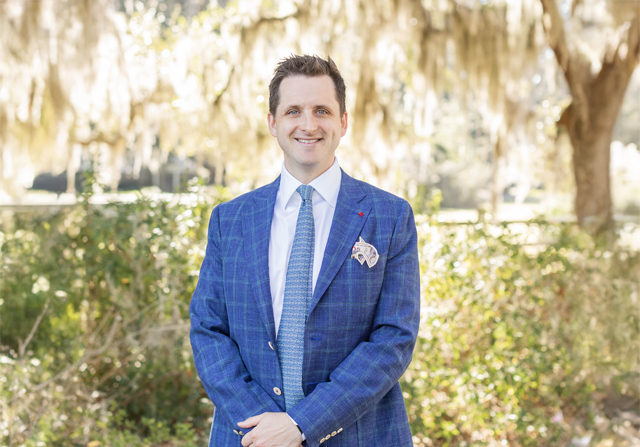
If you would like guidance on timing, preparation, or next steps, you can reach out to Innova Dental Implant Institute. Your questions will be reviewed and addressed with clear direction, and Dr. Dexter Mattox will help you understand the approach that fits your goals and your overall comfort.