

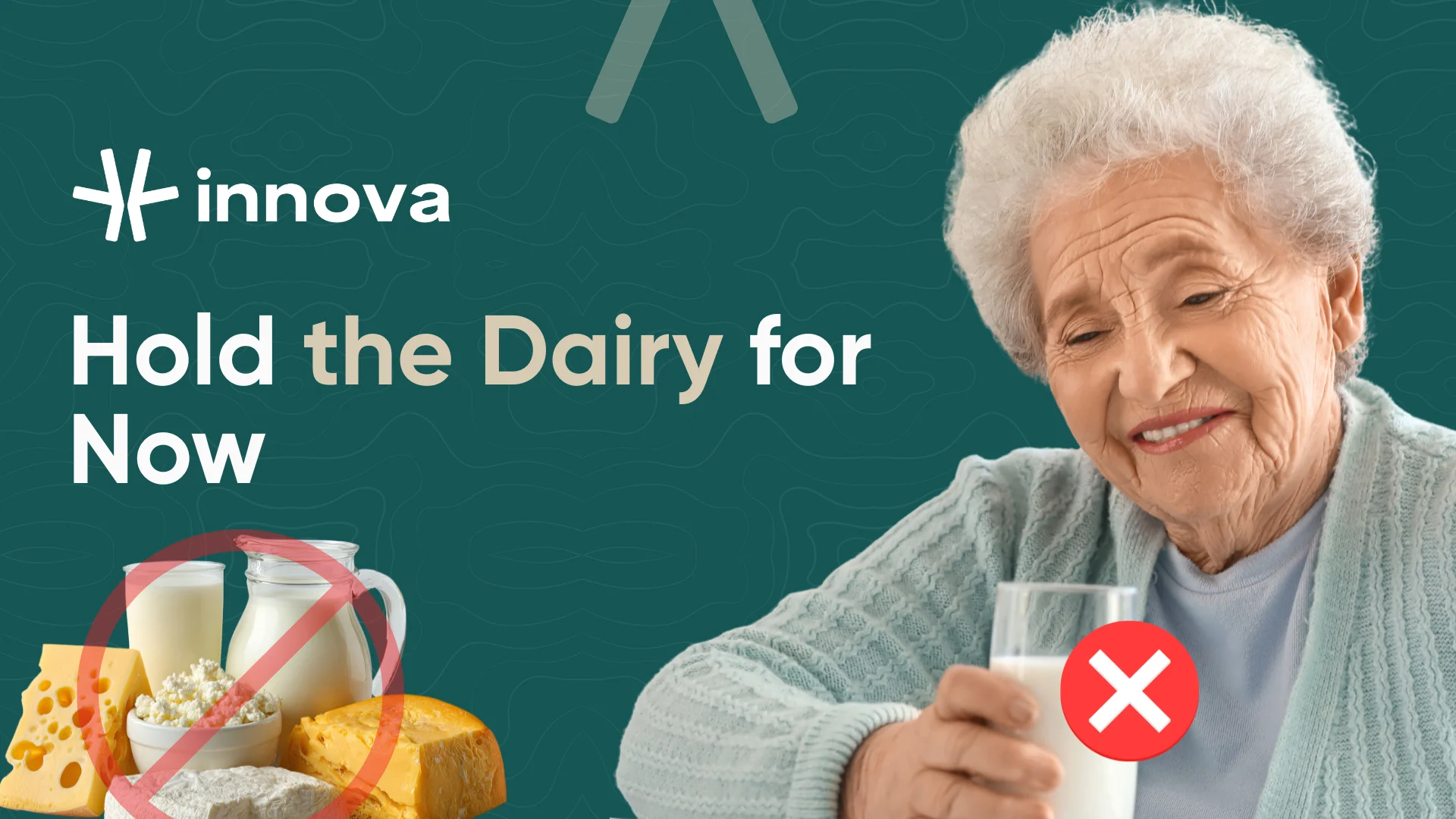
If your oral surgeon has advised you to avoid dairy products after dental implant surgery, you’re likely wondering why. The recommendation to skip dairy for 48-72 hours following implant placement is a precautionary measure designed to protect your healing surgical site. Dairy products can potentially increase bacterial growth around the implant area, may interact with prescribed antibiotics, and could cause discomfort during the sensitive initial healing phase.
While scientific evidence on this topic remains somewhat limited, most oral surgeons recommend this dietary restriction to minimize any risks that could compromise your implant’s success and your overall recovery comfort.
Understanding the Dairy Restriction
The Science Behind Avoiding Dairy Products
After dental implant surgery, your mouth requires optimal conditions for healing. The implant must integrate with your jawbone through a process called osseointegration, and the first 72 hours are particularly critical for this process to begin properly.
Dairy products, while generally nutritious, present several concerns during this vulnerable period:
Bacterial Growth Concerns
Dairy leaves a film-like residue on oral tissues. This coating can create an environment where bacteria thrive more easily. Since your surgical site is essentially an open wound, reducing bacterial exposure becomes a priority. The proteins and fats in milk, cheese, and yogurt can adhere to the implant area, potentially elevating infection risk.
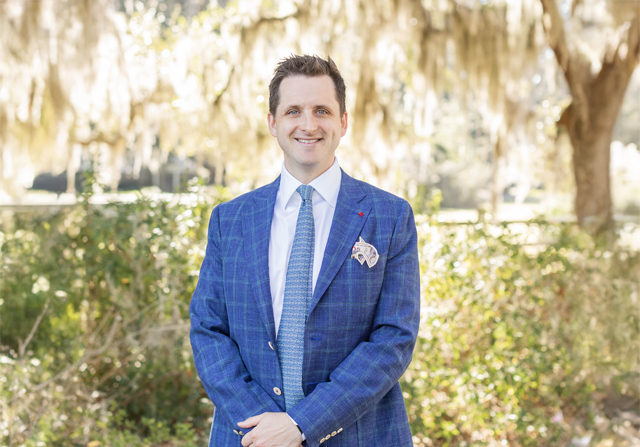
“In my 10 years of practice, I’ve observed that patients who strictly avoid dairy during the critical first 72 hours experience fewer post-operative complications. The bacterial load around the surgical site remains significantly lower when we eliminate dairy residue from the equation,” says Dr. Dexter Mettox DMD MD
Medication Interactions
Your oral surgeon will likely prescribe antibiotics following implant placement. Calcium-rich dairy products can interfere with the absorption of certain antibiotics, particularly tetracyclines and fluoroquinolones. This interaction may reduce the medication’s effectiveness at a time when infection prevention is most important.
Temperature Sensitivity
Many dairy products are consumed cold, such as milk and ice cream. The temperature itself, rather than the dairy content, can cause significant discomfort when your surgical site is sensitive and inflamed. Cold substances may trigger pain or prolong swelling during the initial recovery phase.
Digestive Discomfort
Post-surgical anaesthesia and pain medications can make your stomach more sensitive. Combining these medications with dairy may lead to nausea or digestive upset, making your recovery more uncomfortable than necessary.
How Long Should You Avoid Dairy?
First 48-72 Hours
This critical window represents the period of highest vulnerability. Your oral surgeon will typically recommend complete dairy avoidance during these first few days. The surgical site is most susceptible to complications, and your body is initiating the healing process.
Days 3-7
After the initial 72 hours, some patients may gradually reintroduce soft dairy products like room-temperature yogurt. Listen to your body and watch for any signs of discomfort or complications. If you experience increased swelling, pain, or unusual sensations, discontinue dairy and contact your oral surgeon.
Beyond One Week
Most patients can safely resume normal dairy consumption after the first week, provided healing is progressing well. Your individual recovery timeline may vary based on factors like the number of implants placed, your overall health, and how well you follow post-operative care instructions.
What About Ice Cream and Coffee?
Can You Eat Ice Cream After Dental Implant Surgery?
Ice cream presents a double concern: it’s both dairy-based and extremely cold. While the cooling effect might seem soothing, the combination of dairy residue and cold temperature can irritate your surgical site. Additionally, most ice cream contains high sugar levels, which can feed harmful bacteria in your mouth.
If you’re craving something cold and soothing, consider non-dairy frozen fruit bars or sorbet (without small seeds) after the first 48 hours. These alternatives provide the cooling sensation without the dairy-related risks.
Coffee Considerations
Black coffee is generally acceptable after the first 24 hours, as long as it’s consumed at a lukewarm temperature. The caffeine itself doesn’t interfere with implant healing. But if you typically add milk or cream to your coffee, you should skip it during the initial recovery period or switch to non-dairy alternatives like almond or oat milk.
Very hot beverages of any kind should be avoided for at least 48 hours, as heat can increase bleeding and swelling at the surgical site.
Safe Foods to Eat After Dental Implant Surgery
First 48 Hours: Liquid and Very Soft Foods
Focus on nutrient-dense options that require minimal chewing:
- Protein shakes (made with non-dairy milk)
- Lukewarm broths and soups
- Smoothies (avoid using straws)
- Scrambled eggs
- Mashed potatoes (without butter initially)
- Pureed vegetables
- Applesauce
- Oatmeal (cooled to room temperature)
Days 3-7: Expanding Your Diet
As healing progresses, you can add:
- Soft fish (salmon, tilapia)
- Ground meat (well-cooked)
- Soft-cooked pasta
- Steamed vegetables
- Soft fruits (bananas, avocados)
- Rice
- Tofu
Nutrient Sources Without Dairy
Since you’re avoiding dairy, ensure you’re getting adequate calcium and protein from alternative sources:
Calcium-Rich Alternatives:
- Fortified plant-based milks (almond, soy, oat)
- Leafy green vegetables (cooked soft)
- Tofu and tempeh
- Fortified orange juice
- Canned salmon with soft bones
Protein Sources:
- Eggs (soft-cooked)
- Fish and seafood
- Chicken (tender, finely chopped)
- Beans and lentils (well-cooked)
- Plant-based protein powders
Foods to Avoid Beyond Dairy
While avoiding dairy is important, other foods can also compromise your healing:
Hard and Crunchy Items
- Nuts and seeds
- Popcorn
- Raw vegetables
- Chips and crackers
- Hard bread or toast
Sticky Foods
- Caramel and taffy
- Chewing gum
- Sticky candies
Acidic and Spicy Foods
- Citrus fruits and juices (first few days)
- Tomato-based sauces
- Spicy seasonings
- Vinegar-based dressings
Other Restrictions
- Alcohol (interferes with healing and medications)
- Smoking or tobacco products
- Extremely hot foods or beverages
Supporting Your Healing Process
Beyond dietary choices, several practices will support successful implant healing:
- Take all prescribed medications as directed
- Keep your mouth clean with gentle saltwater rinses (after 24 hours)
- Sleep with your head elevated for the first few nights
- Apply ice packs to reduce swelling (first 48 hours)
- Avoid touching the surgical area with your tongue or fingers
- Stay well-hydrated with water
- Get adequate rest to support your body’s healing
Final Thoughts
Avoiding dairy after dental implant surgery is a temporary dietary adjustment that can support optimal healing. While the restriction typically lasts just 48-72 hours, following your oral surgeon’s specific recommendations is the best way to ensure your implant’s long-term success. Focus on consuming soft, nutrient-rich foods that won’t irritate your surgical site, and remember that this brief dietary modification is a small investment in your lasting oral health.
If you experience any unusual symptoms, increased pain, persistent bleeding, or signs of infection during your recovery, contact your oral surgeon immediately. With proper care and attention to post-operative instructions, most patients heal successfully and enjoy their dental implants for many years to come. Preparing the right questions for your consultation ensures you understand all aspects of your recovery before surgery even begins.
Frequently Asked Questions
Is the dairy restriction the same for tooth extractions?
Yes, similar dietary guidelines apply after tooth extraction, including wisdom teeth removal. The concern about bacterial growth and infection risk remains the same for any oral surgical procedure.
What happens if I accidentally eat dairy?
Don’t panic. One small exposure is unlikely to cause serious problems. Rinse your mouth gently with salt water and monitor the surgical site for any signs of increased swelling, pain, or unusual discharge. Contact your oral surgeon if you notice any concerning symptoms.
Can I have dairy-free alternatives immediately?
Yes, non-dairy milk alternatives like almond, soy, or oat milk are generally safe to consume after surgery, as long as they’re not extremely cold.
Why do some oral surgeons say dairy is fine?
Recommendations may vary based on the surgeon’s experience and interpretation of available research. The scientific evidence on dairy’s impact on dental implant healing is limited, leading to differing professional opinions. Always follow your specific oral surgeon’s guidance.
Considering dental implants or have questions about recovery? Visit Innova Dental Implant Institute and take advantage of the Virtual Care Coordination Session (VCCS) to discuss your concerns and receive preliminary guidance.