

The question of timing for dental implants concerns many patients who have lived with missing teeth for months or even years. At Innova Dental Implant Institute, we frequently meet patients wondering if they’ve waited too long to restore their smile. Modern implant dentistry has expanded options for many patients who were previously told they weren’t candidates, though candidacy ultimately depends on individual factors and requires thorough clinical assessment.
The Reality of Implant Timing: Rarely Too Late, But Sooner Is Better
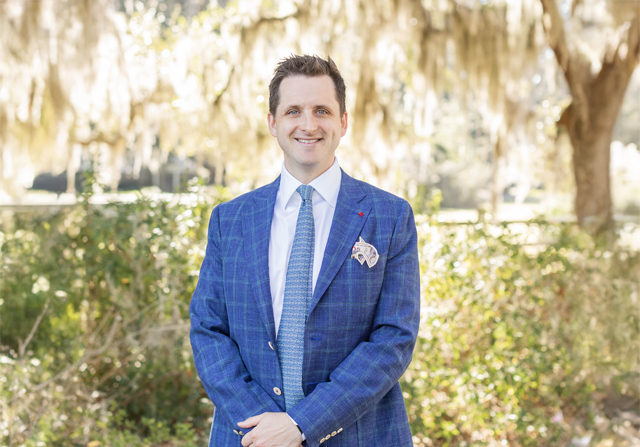
According to board-certified Dr. Dexter Mattox, with over 10 years of specialized experience, the concept of being “too late” for dental implants has evolved significantly.
While immediate or early implant placement after tooth loss can help preserve bone structure (when clinically indicated), advances in grafting techniques and specialized implant systems mean that many patients missing teeth for decades can still receive successful treatment with proper medical clearance and planning.
The key is understanding that while solutions exist for most situations, the complexity and cost of treatment typically increase with time. What might start as a straightforward implant procedure can evolve into a multi-stage process requiring bone reconstruction, soft tissue management, and sometimes orthodontic preparation.
Understanding Bone Loss After Tooth Extraction
The Critical First Year
When a tooth is lost, the surrounding bone undergoes predictable changes. Studies show substantial early resorption, with a large portion of alveolar ridge loss happening in the first 3 months after extraction. Total width loss in the first year is commonly reported in the 25 to 50 percent range, depending on the extraction site and individual patient factors. This biological process continues throughout life without intervention, which explains why dental professionals emphasize early evaluation for tooth replacement options.
Long-Term Bone Changes
Beyond the first year, bone loss continues at a slower but steady rate. This ongoing resorption can eventually affect facial structure, causing changes in appearance that go beyond just the missing tooth. Understanding this timeline helps patients make informed decisions about when to pursue implant treatment.
Critical Factors Affecting Implant Candidacy
Bone Density and Volume Assessment
The foundation for successful implant placement is adequate bone volume and density. At Innova Dental Implant Institute, we utilize 3D cone beam computed tomography (CBCT), which has become the standard for precise volumetric measurement and surgical planning. This technology allows Dr. Mattox to evaluate not just the height and width of available bone, but also its quality and proximity to vital structures like nerves and sinuses.
Minimum Bone Requirements
- Width: Generally 5-7mm for standard implants
- Height: 10-12mm for conventional placement
- Density: Assessed through Hounsfield units on CBCT
The Truth About Senior Implants
There is no strict upper age limit for dental implants for seniors. Treatment decisions are based on overall health status and healing capacity rather than chronological age alone. Successful implant cases in patients in their 80s and 90s are well documented in dental literature. Dr. Mattox has personally placed implants in patients as old as 92, with excellent outcomes when proper protocols are followed.
Key Considerations for Older Patients:
- Healing capacity: May be slower, but usually adequate
- Medication interactions: Careful review of all medications
- Medical clearance: Coordination with the primary care physician
- Support system: Ensuring adequate post-operative care
Medical Conditions: Managing Complexity
Diabetes and Implant Success
Well-controlled diabetes (HbA1c below 7.0) generally does not preclude implant placement. According to the NCBI, patients with poorly controlled diabetes face increased risks of infection and delayed healing. We work closely with patients’ endocrinologists to optimize glycemic control before surgery, often requesting pre-operative HbA1c levels below 7.5 for elective procedures.
Osteoporosis and Bone Metabolism
While osteoporosis itself isn’t an absolute contraindication, patients taking antiresorptive medications (bisphosphonates like Fosamax or denosumab like Prolia) require special consideration due to the risk of medication-related osteonecrosis of the jaw (MRONJ). Dr. Mattox follows current guidelines for risk stratification and may recommend a drug holiday in consultation with the prescribing physician.
Cardiovascular Considerations
Patients with heart conditions can typically undergo implant surgery with appropriate precautions:
- Anticoagulation management: Coordination with cardiologist for patients on blood thinners
- Antibiotic prophylaxis: When indicated for certain heart conditions
- Blood pressure control: Ensuring stable cardiovascular status pre-operatively
Periodontal Health: The Foundation for Success
According to the NCBI, Active periodontal disease is a major risk factor for implant failure and must be treated before implant placement. Even with a history of treated periodontitis, patients face increased risk of peri-implantitis (inflammation around implants) and require vigilant maintenance protocols. Studies show that patients with a history of periodontal disease have approximately 2.5 times higher risk of developing peri-implantitis, making ongoing periodontal maintenance essential for long-term success.
Advanced Solutions for Challenging Cases
Bone Grafting: Rebuilding the Foundation
When insufficient bone exists, various grafting procedures can create the necessary foundation for implants:
Socket Preservation
- Timing: Performed immediately after extraction
- Healing: 3-4 months before implant placement
- Success rate: Preserves up to 85% of original bone volume
Ridge Augmentation
- Indication: Restores lost bone width and height
- Healing: 4-6 months typically required
- Materials: Autogenous bone, allografts, or synthetic options
Sinus Augmentation (Sinus Lift)
- Indication: Upper jaw with insufficient vertical bone
- Healing: 6-9 months for lateral approach
- Success rate: Over 90% when properly executed
Revolutionary Implant Techniques
All-on-4 Dental Implants
This technique uses four strategically angled implants to support a full arch prosthesis, often avoiding extensive grafting. However, candidacy remains patient-dependent, and some cases still require preparatory procedures. Studies report success rates comparable to conventional implants when properly planned.
Zygomatic Implants
These specialized implants anchor in the cheekbone, bypassing severely resorbed maxillary bone. Typically reserved for complex cases and performed by oral surgeons or advanced implantologists with specialized training. Dr. Mattox can refer appropriate cases to trusted specialists when this approach is indicated.
Pterygoid Implants
Placed in the pterygoid bone behind the upper jaw, these provide posterior support in cases of severe maxillary atrophy. Like zygomatic implants, they require advanced surgical expertise and are considered when conventional approaches aren’t feasible.
Realistic Success Rates and Long-Term Outcomes
Understanding the Numbers
Many studies report short to mid-term implant success rates in the mid-90 percent range. However, long-term survival depends on multiple patient and prosthetic factors. Large meta-analyses show survival rates ranging from 88 to 97 percent at 10 years, with variation based on:
- Location: Mandibular implants typically show higher success than maxillary
- Loading protocol: Immediate vs delayed loading
- Prosthetic design: Single crowns vs bridges vs full-arch
- Patient factors: Smoking status, oral hygiene, systemic health
Factors That Improve Success
At Innova Dental Implant Institute, we optimize outcomes through:
- Comprehensive treatment planning with CBCT technology
- Guided surgery protocols for precise placement
- Premium implant systems with documented success
- Structured maintenance programs
- Patient education and compliance monitoring
Risk Factors That Impact Success
Research consistently shows that smoking, uncontrolled diabetes, and active periodontal disease significantly increase implant complications and peri-implantitis risk. At our practice, we work with patients to modify these risk factors before proceeding with implant therapy, maximizing the chances of long-term success.
Frequently Asked Questions
Q: Can I get implants if I’ve been missing teeth for 20 years?
A: Yes, in many cases. While long-term tooth loss typically results in bone loss, procedures like bone grafting or specialized techniques like All-on-4 can make implants possible. Each case requires individual evaluation.
Q: What’s the oldest age for dental implants?
A: There’s no specific age cutoff. We’ve successfully treated healthy patients in their 90s. The decision is based on overall health and healing ability, not age alone.
Q: How much bone loss is too much for implants?
A: Even severe bone loss can often be addressed through grafting or alternative implant techniques. Only a comprehensive evaluation with 3D imaging can determine your specific options.
Q: Do medical conditions automatically disqualify me?
A: Most medical conditions can be managed to allow safe implant placement. We work closely with your medical team to optimize your health before surgery.
Q: Is the investment worth it if I’m older?
A: Quality of life improvements from dental implants, including better nutrition, confidence, and oral function, are valuable at any age. Many patients express regret at not getting implants sooner.
Your Next Step Toward a Restored Smile
While every day without teeth means continued bone loss, we understand that the decision to pursue implants is significant. At Innova Dental Implant Institute, Dr. Dexter Mattox and our specialized team are committed to finding the least invasive, most predictable path to restore your smile. We’ll thoroughly evaluate your unique situation and present all viable options, along with realistic timelines and transparent pricing.
Schedule a comprehensive consultation today to discover what modern implant dentistry can offer you, regardless of how long you’ve been missing teeth. We offer flexible financing options and will work with your insurance to maximize your benefits. Contact Innova Dental Implant Institute to take the first step toward reclaiming your confident smile.