

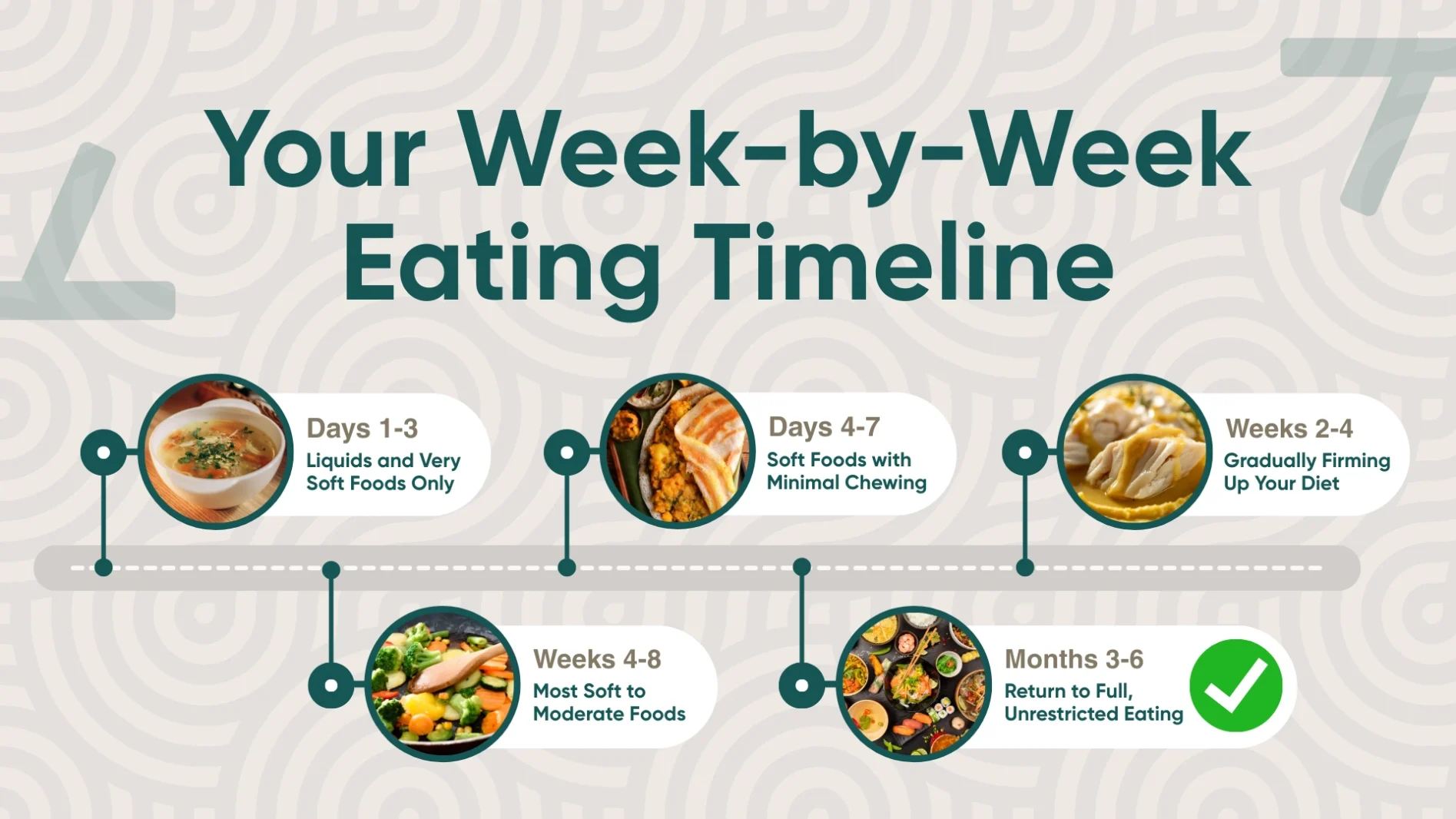
Most patients can return to a fully normal, unrestricted diet within 3 to 6 months after dental implant surgery. That is the time it takes for your implant to fully bond with your jawbone through a biological process called osseointegration. You will not be living on smoothies the entire time, though. Within the first few weeks, you can gradually start reintroducing soft solid foods, and by weeks 4 to 8, many patients are already eating most of their regular meals with only minor adjustments.
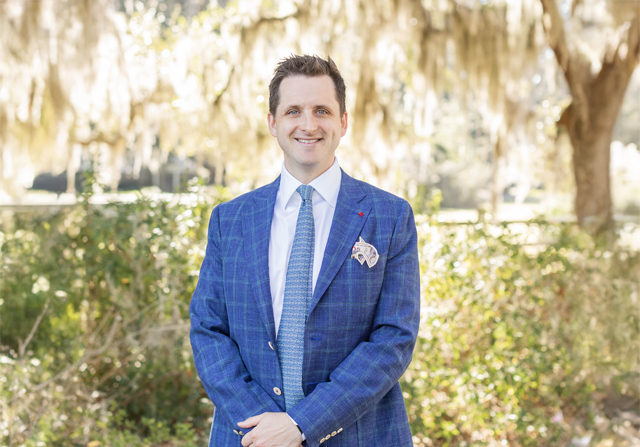
The exact timeline depends on factors like the number of implants placed, whether bone grafting was involved, your overall health, and how closely you follow your surgeon’s aftercare instructions. At Innova Dental Implant Institute in Brunswick, GA, Dr. Dexter Mattox (DMD, MD) provides every patient with a personalized recovery plan that maps out exactly when and what you can eat at each stage of healing.
Below is a detailed, week-by-week guide to eating after dental implants, plus practical tips that go beyond the generic advice you will find elsewhere.
Why What You Eat After Implant Surgery Actually Matters
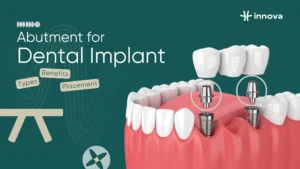
Dental implant surgery involves placing a small titanium or zirconia post directly into your jawbone. Your body then needs to grow new bone cells around that post and lock it into place. This process (osseointegration) is the foundation of your implant’s long-term success, and it is surprisingly sensitive to mechanical stress during the first several weeks.
Biting down on hard, crunchy, or chewy foods too soon can create micro-movements at the implant site. Even tiny shifts of the implant post during early healing can disrupt bone cell attachment and compromise the bond between the implant and your jaw. This is one of the leading preventable causes of implant complications, and it is the primary reason your surgeon will ask you to modify your diet temporarily.
Beyond mechanical risk, your food choices also affect how quickly your surgical site heals. Nutrient-dense foods that are rich in protein, vitamins C and D, calcium, and zinc support tissue repair, reduce inflammation, and give your body the raw materials it needs to build new bone. On the other hand, foods that are very hot, spicy, acidic, or sharp-edged can irritate healing tissue, increase swelling, or introduce bacteria to the wound.
Your Week-by-Week Eating Timeline After Dental Implants
Every patient heals differently, and your surgeon may adjust this timeline based on your specific procedure. The following is a general guide that reflects standard-of-care protocols recommended by the American Association of Oral and Maxillofacial Surgeons (AAOMS).
Days 1 to 3: Liquids and Very Soft Foods Only
The first 72 hours after surgery are the most critical for early clot formation and tissue healing. During this window, stick to room-temperature or cool liquids and foods that require zero chewing.
What to eat:
- Lukewarm broth (chicken, beef, or vegetable)
- Smoothies (avoid using a straw, as the suction can dislodge the blood clot)
- Applesauce
- Mashed avocado
- Protein shakes
- Yogurt (non-dairy options if your surgeon has advised avoiding dairy after dental implant surgery)
- Pudding or gelatin
- Lukewarm blended soups (nothing with chunks)
What to avoid:
- Hot foods and beverages (heat can increase bleeding and swelling)
- Spicy foods (can irritate the surgical site)
- Anything requiring chewing
- Straws (suction pressure can disturb the clot)
- Alcohol (interferes with medication and healing)
- Seeds, nuts, and anything with small particles that could lodge in the wound
Practical tip for seniors: If you take blood thinners or other daily medications, ask your surgeon at your consultation whether any of them interact with specific foods. Some common blood-thinning medications interact with vitamin K-rich foods, which could affect your healing window.
Days 4 to 7: Soft Foods You Can Eat with Minimal Chewing
By the end of the first week, initial swelling should begin to subside and you can broaden your diet to include soft foods that need only gentle chewing. Chew on the opposite side of your mouth from the implant.
What to eat:
- Scrambled eggs or soft-boiled eggs
- Oatmeal or cream of wheat
- Mashed potatoes or sweet potatoes
- Soft pasta (well-cooked, with a mild sauce)
- Ripe bananas
- Cottage cheese
- Soft-cooked rice
- Steamed, soft vegetables (like squash or well-cooked carrots)
- Pancakes or soft bread without a hard crust
Still avoid:
- Crunchy foods (chips, crackers, raw vegetables, toast)
- Chewy foods (steak, jerky, caramel, gum)
- Very small or hard foods (popcorn, seeds, nuts)
- Chewing directly on the implant side
Weeks 2 to 4: Gradually Firming Up Your Diet
At the two-week mark, your gum tissue should be noticeably more comfortable, and your sutures (if non-dissolvable) may be removed. You can now begin introducing firmer soft foods.
What to eat:
- Tender fish (baked salmon, cod, tilapia)
- Shredded or ground chicken or turkey
- Ground beef dishes (meatloaf, soft tacos with corn tortillas)
- Steamed or roasted vegetables (not raw)
- Chunky soups and stews
- Soft sandwiches (avoiding hard crusts)
- Cooked beans and lentils
- Soft fruits (berries, melon, peaches)
Still avoid:
- Tough or fibrous meats (steak, pork chops, jerky)
- Raw hard vegetables and fruits (carrots, apples, celery)
- Nuts and seeds
- Hard breads and bagels
- Sticky candy or toffee
Continue chewing on the opposite side from your implant whenever possible. Even as the gum tissue heals, the bone underneath is still in the early stages of fusing with the implant.
Weeks 4 to 8: Most Soft to Moderate Foods Are Fine
By week four, the soft tissue incision is typically closed, and osseointegration is progressing. Many patients start feeling close to normal and can eat a wider variety of foods. Your surgeon will confirm your progress at a follow-up appointment.
What you can usually add:
- Chicken breast (grilled or baked, cut into small pieces)
- Most cooked vegetables
- Soft fruits and salads
- Regular bread
- Pasta with varied sauces
- Rice dishes
- Casseroles
Still approach with caution:
- Very hard or crunchy items (whole nuts, hard pretzels, popcorn kernels)
- Raw carrots, apples, or corn on the cob (anything requiring a forceful bite)
- Very sticky or chewy candy
Months 3 to 6: Return to Full, Unrestricted Eating
Once your implant has fully integrated with your jawbone (confirmed by your surgeon through clinical examination and sometimes a follow-up CBCT scan), you can eat whatever you want. Dental implants are designed to function exactly like natural teeth. You can bite into an apple, enjoy a steak, chew gum, and eat all of your favorite foods without restriction.
For patients who receive a single implant, this milestone often arrives closer to the 3-month mark. For those who undergo more extensive procedures (such as multiple implants, All-on-X full-arch restoration, or cases that involve bone grafting or sinus lifts), the full recovery may take closer to 6 months.
Factors That Affect How Quickly You Can Eat Normally
Not every implant patient follows the same timeline. Several variables can shorten or lengthen the period before you return to unrestricted eating.
Number and Location of Implants
A single implant in the front of the mouth (where chewing forces are lower) typically heals faster than multiple implants in the back of the mouth (where molars bear the heaviest bite pressure). Full-arch procedures like InnovaSmile (All-on-X) involve more surgical sites, which means a longer soft-food phase.
Bone Grafting or Sinus Lift Procedures
If you needed a bone graft or sinus lift to build up enough bone volume before or during implant placement, the healing window is longer. These procedures add their own recovery timeline on top of the implant healing process, and your surgeon may recommend staying on soft foods for 6 to 8 weeks rather than 4.
Overall Health and Medical Conditions
Conditions like uncontrolled diabetes, osteoporosis, or autoimmune disorders can slow bone healing. Smokers also experience significantly slower osseointegration. Dr. Mattox holds both a medical degree (MD) and a dental degree (DMD), which means he is uniquely trained to evaluate how your overall medical health will affect your implant recovery and to coordinate care across medical and dental disciplines.
Age
For patients over 55 (the majority of dental implant candidates), healing may be slightly slower due to natural changes in bone density and circulation. This does not mean implants are less successful in older adults. It simply means the timeline to full dietary freedom may lean closer to 5 or 6 months rather than 3.
Smoking and Tobacco Use
Tobacco use is one of the single biggest risk factors for delayed healing and implant failure. Smoking reduces blood flow to the surgical site, starves the bone of oxygen, and significantly slows osseointegration. If you smoke, your surgeon will strongly recommend quitting at least 2 weeks before surgery and abstaining throughout the recovery period.
Foods That Can Damage Dental Implants (Even After Full Healing)
Once your implant is fully integrated and your permanent crown, bridge, or full-arch prosthesis is in place, you can eat virtually anything. That said, the same foods that are hard on natural teeth are also hard on implant restorations. A few habits worth avoiding long-term:
- Chewing ice: Can crack or chip your implant crown, just like it can damage natural teeth.
- Opening packages with your teeth: This applies whether you have implants or not, but it bears repeating.
- Extremely hard candies or shells: Biting down on jawbreakers, unpopped popcorn kernels, or crab shells can fracture restorative materials over time.
- Excessive sticky foods: While occasional sticky foods are fine, routinely eating very sticky or tacky candy can stress the connection between the implant abutment and the crown.
Your implant crown or prosthesis is made from durable materials (typically zirconia or porcelain-fused-to-metal), but no restorative material is completely indestructible. Treating your implants the way you would treat healthy, natural teeth is the best long-term strategy.
Nutrition Tips to Speed Up Implant Healing
Your body needs specific nutrients to build new bone and heal surgical wounds. Focusing on nutrition during recovery is not just about avoiding the wrong foods; it is about actively choosing foods that support faster healing.
Protein is essential for tissue repair. Aim for soft, protein-rich foods at every meal: eggs, Greek yogurt, protein shakes, soft fish, and blended legumes.
Vitamin C supports collagen production, which is the structural scaffolding your body uses to rebuild soft tissue. Good soft-food sources include blended berries, mashed sweet potato, and steamed broccoli.
Calcium and Vitamin D work together to support bone formation. Your implant’s long-term success depends on healthy bone, so maintaining adequate calcium and vitamin D intake throughout recovery is important. If dairy is temporarily restricted, consider fortified non-dairy milk or ask your doctor about supplementation.
Zinc plays a role in immune function and wound healing. Foods like cooked oatmeal, soft beans, and yogurt are good sources.
Hydration is often overlooked. Drink plenty of water throughout the day. Staying hydrated supports blood flow to the surgical site, helps flush toxins, and keeps your mouth moist (which protects against bacterial buildup).
When to Call Your Surgeon About Eating Difficulties
Some discomfort when eating during the first two weeks is expected. But certain symptoms may indicate a complication that needs attention. Contact your oral surgeon if you experience:
- Pain that gets worse (rather than gradually improving) after the first few days
- Difficulty opening your mouth or severe jaw stiffness that is not improving
- A feeling that the implant is loose or shifting when you chew
- Persistent numbness or tingling in your lip, chin, or tongue beyond 48 hours
- Pus, foul taste, or unusual discharge from the implant site
- Swelling that returns or worsens after initially subsiding
- Fever above 101 degrees Fahrenheit
These could be signs of infection, implant instability, or nerve involvement. Early intervention makes a significant difference in outcomes. At Innova Dental Implant Institute, Dr. Mattox offers both in-office and virtual follow-up consultations for patients across the Golden Isles region, including St. Simons Island, Jekyll Island, Darien, Jesup, and Waycross, so you don’t need to make an unnecessary trip to Brunswick if a quick video check is all that’s needed.
How Innova’s Approach Helps You Recover Faster
Recovery starts before surgery. At Innova Dental Implant Institute, Dr. Mattox uses 3D CBCT imaging, guided surgical planning, and navigational implant technology to place implants with a level of precision that minimizes tissue trauma during surgery. Less surgical trauma means less swelling, less pain, and a faster return to eating comfortably.
Dr. Mattox’s dual training as both a medical doctor and oral surgeon also means he takes a full-body approach to your recovery plan. If you have diabetes, take blood thinners, have a history of osteoporosis, or manage any other medical condition, he can tailor your surgical approach and your dietary recovery timeline to account for those factors. This is not something you will find at every implant practice.
Every Innova patient receives detailed post-operative instructions that include specific dietary guidance, a pain management regimen, and a clear recovery timeline, so there is no guesswork about what to eat or when.
Ready to learn what your personal recovery timeline might look like? Book a Virtual Care Coordination Session to discuss your implant options with Dr. Mattox from the comfort of your home.