

A dental implant abutment is the critical connector between your implant and crown that determines treatment success. Whether you’re researching abutment for dental implant procedures, comparing implant abutment types, or understanding abutment placement, this comprehensive guide covers everything you need to know. From dental abutment materials to costs and recovery timelines, we’ll explain how abutments for dental implants ensure long-term success and natural-looking results.

What Is a Dental Implant Abutment?
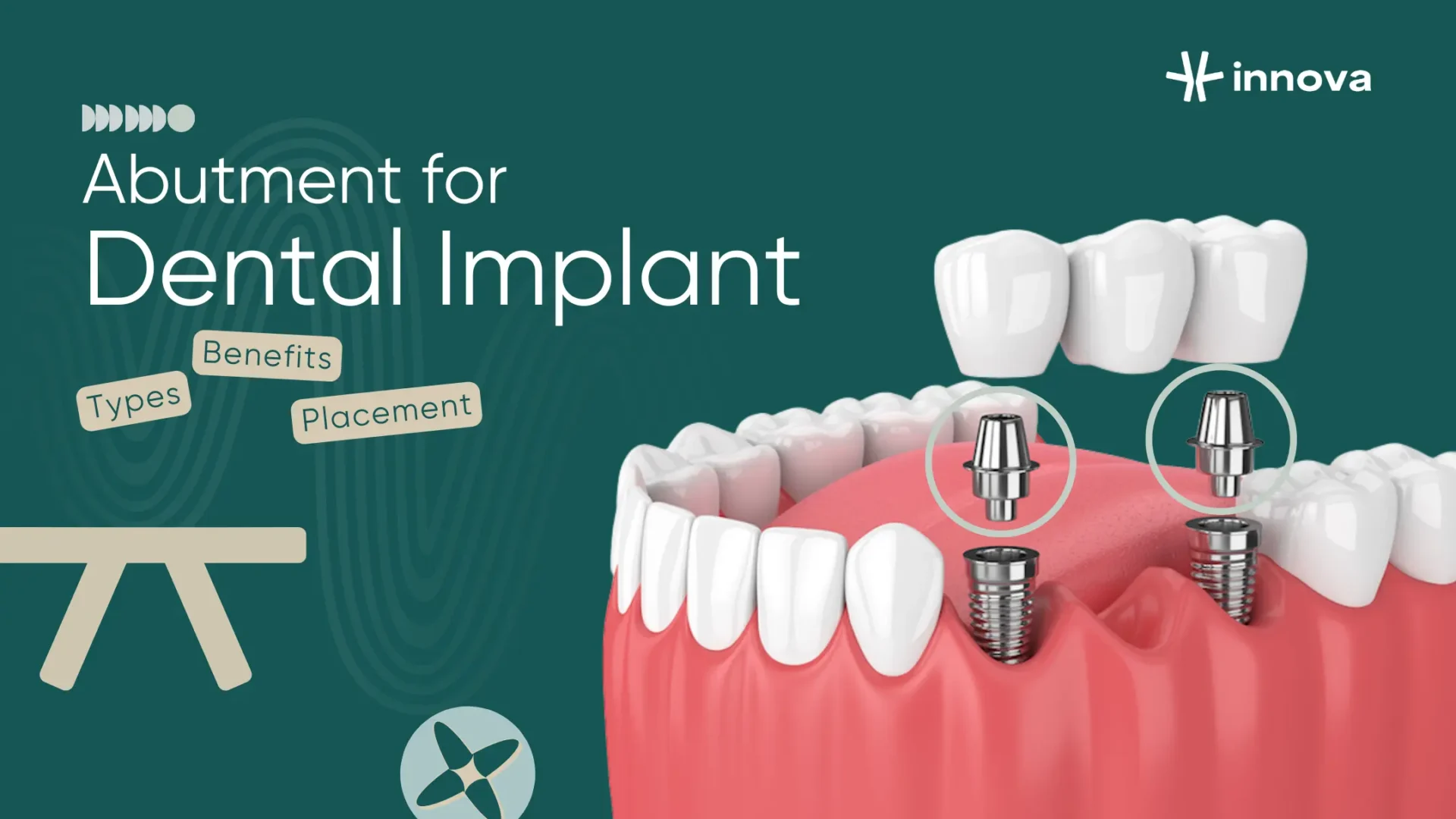
A dental implant abutment is the connector piece placed on top of your implant to support the final crown, bridge, or denture. Think of this dental abutment as the crucial link between the implant post embedded in your jawbone and the visible restoration. The abutment for dental implant procedures ensures stability, proper function, and natural aesthetics of your artificial tooth.
Without a properly fitted implant abutment, your restoration may not sit correctly, affecting both function and appearance. This small titanium or zirconia component plays a vital role in the overall success of your implant therapy, making the selection of appropriate abutments for dental implants essential for optimal outcomes.
The dental abutment serves multiple purposes beyond simple connection. It helps guide proper gum tissue formation around the implant site, provides stable support for your crown or bridge, and ensures optimal bite alignment with your natural teeth.
Healing vs Permanent Dental Implant Abutments
There are two main categories of abutments for implants. Healing abutments (also called healing caps) are temporary components placed immediately after implant surgery to help shape your gum tissue during the osseointegration process. These dental abutment components are typically shorter and designed specifically for tissue formation and healing.
Permanent implant abutments are the final connectors that will support your crown or bridge for years to come. These abutment dental components are precisely engineered for strength, aesthetics, and long-term function, representing the definitive solution for your restoration needs.
Dental Implant Abutment Types
Choosing the right abutments for dental implants depends on various factors, including implant location, gum health, aesthetic requirements, and functional demands. Here are the main types available for different clinical situations:
Prefabricated Abutments
Prefabricated abutment options are mass-produced and available in various shapes and sizes to accommodate different implant systems. These dental implant abutments are cost-effective and work well for standard cases where extensive customization isn’t necessary. They’re commonly used for posterior teeth replacements where precise aesthetics may not be as critical as function.
The main advantages of prefabricated implant abutments include lower cost, immediate availability, and proven success rates across diverse patient populations. However, they may not provide the perfect fit and emergence profile that custom alternatives offer, particularly in aesthetic zones.
Custom Abutments
Custom abutments for dental implants are individually designed and manufactured for your specific implant and restoration needs. These implant abutment options provide superior fit, optimal angulation, and better aesthetics, making them the preferred choice for front teeth restorations where appearance matters most.
Custom dental abutment solutions allow for precise contouring and emergence profiles that match your natural teeth perfectly. While more expensive than prefabricated alternatives, they often provide better long-term results, especially in aesthetic zones where seamless integration is paramount.
Material-Based Abutment Types
Titanium Abutments
Titanium represents the gold standard for abutment dental applications due to exceptional biocompatibility and strength characteristics. These dental abutment options are ideal for implants placed in posterior regions where chewing forces are highest. Titanium integrates well with surrounding tissues, minimizing rejection risk and promoting long-term stability.
The durability of titanium abutments for implants makes them excellent choices for patients with strong bite forces or grinding habits. Their proven track record in medical applications extends to dental implant procedures, offering reliable performance over decades.
Zirconia Abutments
For patients prioritizing aesthetics, zirconia abutments for dental implants provide unmatched natural appearance and translucency. These tooth-colored components blend seamlessly with natural teeth and are particularly valuable for front teeth where metal show-through could compromise aesthetics. Zirconia also offers excellent biocompatibility for patients with metal sensitivities or allergies.
Angled Abutments
When implants are placed at angles due to bone limitations or anatomical constraints, angled dental abutment options help achieve proper restoration alignment. These specialized abutment for implant cases are common in full-arch restorations where precise positioning is crucial for optimal function and aesthetics.
Benefits of Proper Abutment Selection
The right implant abutment provides numerous advantages that contribute to long-term treatment success. Properly selected abutments for dental implants ensure secure support during daily activities, maintain proper bite alignment, and create natural-looking results. Quality dental abutments also promote better oral health by facilitating easier cleaning and reducing inflammation risk around the implant site.
Dental Implant Abutment Placement Process
Understanding abutment placement helps you prepare for this important step in your implant journey and sets realistic expectations for the procedure and recovery process.
Timeline for Abutment Placement
The timing of dental abutment placement depends on your healing progress and the type of procedure performed. For traditional two-stage implant surgery, abutment for dental implant placement typically occurs 3 to 6 months after initial implant placement, allowing sufficient time for osseointegration. However, some patients may receive their implant abutment immediately during a one-stage procedure.
Lower jaw implants usually heal faster (3 to 4 months) due to denser bone structure, while upper jaw implants may require 4 to 6 months for complete osseointegration before abutment dental placement can proceed safely.
Pre-Placement Assessment
Before abutment for dental implant placement, your surgeon verifies complete implant integration through clinical examination and radiographic imaging. He will check that the implant is stable and that surrounding bone and tissue have healed properly, ensuring your dental abutment will have a solid foundation for long-term success.
The Placement Procedure
Abutment placement begins with local anesthesia to ensure your comfort throughout the procedure. If you had a two-stage procedure, your surgeon makes a small incision to expose the implant, then removes any healing cap that was previously placed. The selected implant abutment is then secured to the implant with precise torque specifications to ensure proper seating and stability.
For patients who had healing abutments placed initially, the process is even simpler. The temporary healing abutments for dental implants are removed and replaced with the permanent dental abutment designed for your final restoration, streamlining the transition process.
After abutment dental implant attachment, the gums are positioned around the new component to promote proper healing. Some temporary swelling and discomfort are normal, but most patients find the procedure much easier than the initial implant surgery.
Healing and Recovery
Following dental abutment placement, your gums need 2 to 4 weeks to heal and mature around the abutment structure. This healing period allows your tissues to form a proper seal around the implant abutment, which is crucial for long-term success and preventing bacterial infiltration that could compromise the implant.
During this period, maintain excellent oral hygiene while avoiding hard or crunchy foods that could disrupt healing around the abutment dental site. Your surgeon will provide specific care instructions, including recommended rinses and cleaning techniques tailored to your situation.
Caring for Your Abutment
Proper care of your abutments for dental implants is essential for long-term success and preventing complications that could affect your restoration’s longevity.
Clean around your dental abutment components twice daily using a soft-bristled toothbrush designed for sensitive areas. Pay special attention to the gum line where the implant abutment meets your tissue, using gentle circular motions to remove plaque without irritating the healing tissues. Flossing around abutments for implants requires care and proper technique to avoid damaging the restoration.
Regular professional cleanings are crucial for abutment dental implant longevity. Schedule visits every 3 to 6 months for specialized implant maintenance using instruments designed specifically for cleaning around dental abutments. During these visits, your surgeon will check dental abutment stability, assess tissue health, and monitor bone levels around your implant.
When to Contact Your Oral Surgeon
While abutment placement has high success rates, contact your dental team if you experience persistent pain, excessive swelling, fever, or any looseness in your dental abutment. Early intervention can prevent minor issues from becoming major problems requiring extensive treatment.
Signs that warrant immediate attention include bleeding that won’t stop, severe pain not controlled by prescribed medication, or any signs of infection around the implant abutment site that could indicate complications.
Cost Considerations
Dental abutment costs vary based on type, material, and complexity of your specific case. Prefabricated options are generally less expensive, while custom abutments for dental implants cost more but provide superior fit and aesthetics for demanding situations. Most dental insurance plans provide some coverage for abutment dental components as part of implant therapy.
When researching costs, ensure you understand whether the abutment for dental implant is included in quoted prices. Some practices bundle implant, abutment, and crown costs, while others price each component separately, affecting your total investment.
Frequently Asked Questions About Dental Implant Abutments
How long do dental implant abutments last?
High-quality abutments for dental implants can last 15 to 25 years or longer with proper care and maintenance. The lifespan depends on material choice, oral hygiene habits, and individual factors like bite force and grinding habits. Titanium dental abutments typically have excellent longevity due to their durability and biocompatibility properties.
Can abutments be replaced if needed?
Yes, implant abutment components can be removed and replaced if necessary, though this requires a minor procedure performed by your surgeon. Replacement might be needed if the dental abutment becomes loose, damaged, or if you need a different type for aesthetic reasons. However, with proper placement and care, replacement is rarely necessary.
Is abutment placement painful?
Abutment placement is typically performed under local anesthesia, so you shouldn’t feel pain during the procedure itself. Most patients experience only mild discomfort afterward, similar to having a filling completed. The procedure is generally much easier than the initial implant surgery, and any discomfort usually subsides within a few days.
What’s the difference between prefabricated and custom abutments?
Prefabricated abutment options are mass-produced in standard sizes and are more cost-effective for straightforward cases where customization isn’t essential. Custom abutments for dental implants are individually designed for your specific implant and provide superior fit, aesthetics, and emergence profile. Custom options are typically recommended for front teeth where appearance is crucial.
Can I eat normally after getting an abutment?
You should stick to soft foods for the first few days after abutment for dental implant placement to allow proper healing around the site. Most patients can gradually return to their normal diet within a week, though your final crown won’t be placed until the gums have fully healed around the dental abutment (usually 2 to 4 weeks).
What happens if my abutment falls out?
If your dental abutment falls out, contact your oral surgeon immediately and avoid eating on that side. A loose or fallen abutment requires prompt professional attention to prevent complications. Do not attempt to reinsert the abutment yourself, as this could damage the implant or surrounding tissue. Your surgeon will examine the implant, clean the area, and determine if the same abutment can be reattached or if a replacement is needed.
How do I clean around my abutment?
Clean around your implant abutment just like natural teeth, using a soft-bristled toothbrush twice daily. Pay special attention to the gum line where the dental abutment meets your tissue, and use implant-specific floss or water flossers. Your dental team can demonstrate proper techniques during follow-up visits.
Will my abutment be visible?
A properly placed abutment dental implant should not be visible once your final crown is attached. The implant abutment is designed to sit at or slightly below the gum line, with only the crown portion visible. Zirconia abutments for dental implants are especially good at preventing any gray show-through that might occur with metal alternatives.
Making the Right Choice
Selecting the appropriate abutments for dental implants for your case involves multiple factors that your surgeon will carefully evaluate. Your surgeon will consider implant location, tissue thickness, aesthetic requirements, and functional demands when recommending the best dental abutment option for your specific situation.
For front teeth, custom zirconia abutments for dental implants often provide the best aesthetic results and natural appearance. Posterior teeth may function well with prefabricated titanium options that prioritize strength and durability over appearance. Your oral surgeon’s expertise in abutment dental procedures ensures you receive the most appropriate recommendation.
Expert Care at Innova Dental Implant Institute
At Innova Dental Implant Institute, our experienced team specializes in comprehensive implant solutions, including expert abutment dental procedures. Dr. Dexter W. Mattox, a board-certified oral and maxillofacial surgeon, brings extensive expertise in complex dental implant rehabilitation and precise abutment placement procedures.
Our patient-centered approach ensures you receive personalized care throughout your implant abutment journey. We use advanced imaging and precision techniques to select and place the optimal abutments for dental implants based on your specific needs and aesthetic goals.
If you’re considering dental implants or have questions about abutment for dental implant options, we invite you to schedule a consultation. Our team will evaluate your case and explain the dental abutment types best suited for achieving your goals.
Conclusion
Understanding what constitutes quality abutments for dental implants and their critical role in treatment success empowers you to make informed decisions about your oral health. Whether you need a single tooth replacement or multiple restorations, proper abutment dental implant selection and placement are essential for optimal results.
The right dental abutment ensures your implant functions properly, looks natural, and provides years of reliable service. With proper care and professional maintenance, quality abutments for dental implants contribute to the long-term success of your investment in oral health.
For more information about dental abutment options and to explore your treatment possibilities, consider consulting with experienced implant specialists who can guide you through the process and help you achieve a healthy, beautiful smile that lasts a lifetime.